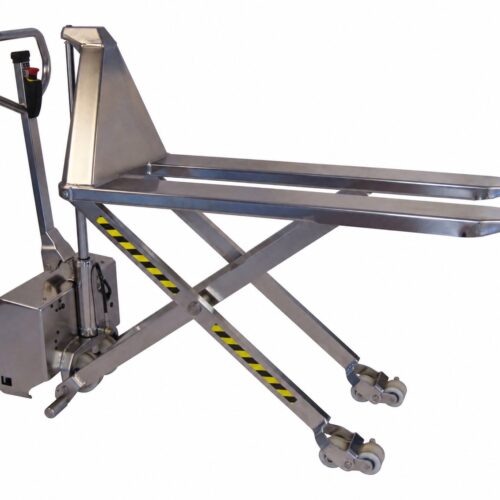
Transport and distribution operations involve more than moving goods between locations. Boxes need to be lifted at packing stations, wheeled loads moved along internal routes, and vehicle components supported during maintenance.
LiftRite supplies handling solutions around each task, from vacuum box lifters and electric towing equipment to mobile lifting trolleys for depot work. These three LiftRite installation videos show how different handling methods can support warehouse and fleet operations.

The task: lifting and positioning boxes during repeated handling operations.
The solution: a vacuum lifter with a gripper suited to the packaging supports the box while the operator guides it between pickup and placement points. This approach can be assessed for packing, palletising and transfers at a workstation.
What we check: box weight and dimensions, carton strength, surface porosity, tape or seams at the gripping point, lift frequency and the highest and lowest transfer positions.

The task: moving a compatible wheeled load with powered towing assistance.
The solution: the M12 electric tow truck shown provides an example of powered internal transport. A suitable hitch connects the towing equipment to the load, with the arrangement selected around the trolley and route.
What we check: total moving weight, wheel and castor condition, hitch geometry, floor surface, gradients, thresholds, turning space and stopping requirements.
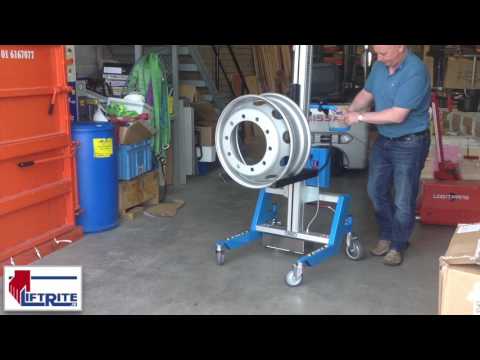
The task: supporting and positioning a bus wheel during fleet maintenance.
The solution: a Lift & Drive trolley configured for wheel handling supports the component while its height and position are adjusted for the task. This is a depot maintenance application within the wider transport operation.
What we check: wheel weight, diameter and width, the support and retention arrangement, required positioning height and access around the vehicle and workshop equipment.
We consider the full movement, including pickup, transport, placement and return. Aisle widths, doors, corners, loading-area transitions and interaction with pedestrians or other vehicles can determine which equipment is practical. Handling frequency, shift length and available parking or charging space also influence the choice.
For box lifting, representative packaging helps establish the gripping method. For towing, details of the loaded trolley and route are essential. For wheel and component handling, photographs and dimensions help establish support, retention and access requirements.
Send us the load weight and dimensions, the number of movements per shift, and a photograph or short video of the task. Include pickup and placement heights for lifting work, or route distance and any slopes or thresholds for towing. LiftRite can then discuss an appropriate handling arrangement.